John
Godoy

Most people spend a career in one room.
I've spent mine learning to walk into any of them
I design and lead leadership development programs, and I speak on professional leadership communication.
Today I lead the Leadership Development Program for the City of Greater Sudbury, serving 200+ people leaders across fifty lines of service. I also run organizational in-person onboarding - meeting new employees entering a 2,800-person workforce - and design open-enrolment programs that build capability for all staff, not only those on a leadership track.
My specialty is the hardest stretch of a leadership career: the crossing from aspiring leader to established supervisor — the years when someone carries responsibility before they have authority, and has to lead people who were peers a month ago. That work spans radically different operating contexts. I have built bespoke programs for paramedic leadership in emergency services, for a 700-resident long-term care home, and Buddy to Boss, a peer-to-supervisor transition program for seasonal Parks and Recreation staff.
I hold a concurrent appointment as course developer and instructor of record at Laurentian University's Centre for Teaching and Continuing Learning. I authored an original micro-credential in Intergenerational Leadership and am developing a second in AI and Leadership.
As a speaker, I have facilitated and delivered for Johns Hopkins University, Alberta Health Services, Samsung, Vistage CEO peer groups, and the Adirondack Health Institute, and addressed audiences at the Illinois Institute of Technology, Adler University, Northern Illinois University College of Business, and Symbiosis (India). I co-directed a professional speaking school and have coached executives, physicians, retired senior military personnel, and a U.S. Senate candidate through high-stakes delivery.
As a fitness trainer and co-inventor of a workplace wellness product, I worked on the physiology of human performance directly — work that became the subject of independent research at Mayo Clinic, the University of Illinois at Chicago, Cal Poly, and Tokai University, with findings published in peer-reviewed journals including Frontiers in Physiology and the Journal of Occupational and Environmental Medicine.
On a personal note, I have worked in 6 countries, and have completed two Ironman triathlons, a 100km ultramarathon, a 10km open-water swim, and have seventeen years on the mat as a Brazilian Jiu-Jitsu brown.
“Communication isn’t a talent you’re born with. It’s a discipline - and it’s the work I do.”
I didn't learn this in a classroom. I learned it in real rooms, with real stakes.
The skill that worked in every one of these rooms is the one that will work in yours

Training Rooms and Boardrooms

A product-launch stage

Television and Podcast Interviews

Social Media Videos
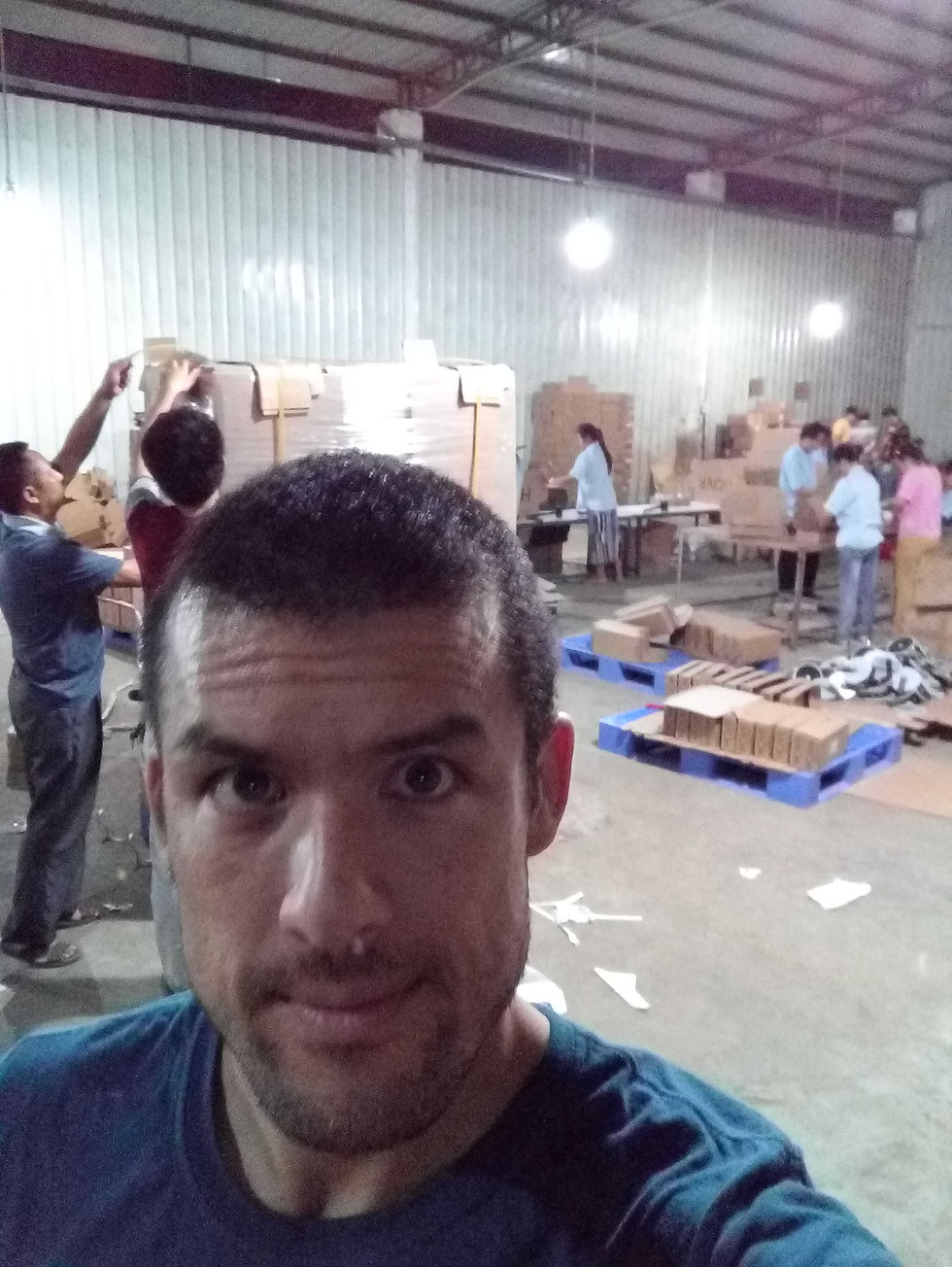
A factory floor in China

University Classrooms
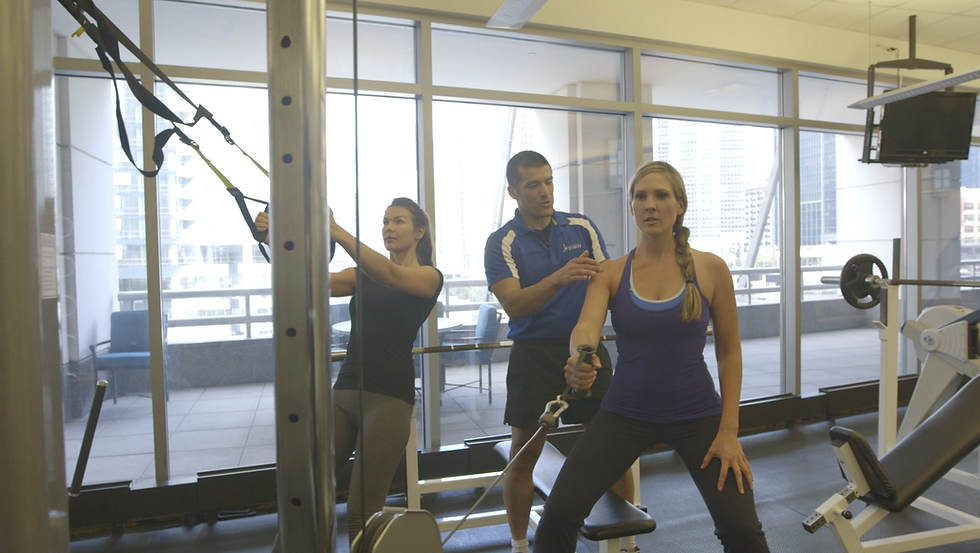
In Private Gyms

Writing Financial News in Tokyo

Coaching Brazilian Jiu Jitsu
The skill that worked in every one of these rooms is the one you'll use in yours.
Underneath all of it: Performance Under Pressure


Brown belt in Brazilian Jiu-Jitsu. Two Ironman triathlons. A 100km ultramarathon. A 10km open-water swim.
The discipline that carries you through the twenty-third mile is the same one I help people summon when the room is theirs and the stakes are real.